Clinical Psychology

WINNING @ WELLNESS explores resilience through failure and feedback
How can failure guide us toward success? How can coaching and feedback propel an athlete to the highest levels?

25 years later, 9/11 can still affect our mental health
Twenty-five years after 9/11, the anniversary can still bring difficult emotions and memories to the surface.
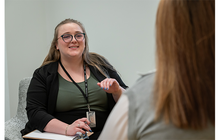
Considering a doctorate in clinical psychology? What you need to know
Pursuing a doctorate in clinical psychology is a significant step toward a career focused on helping individuals, families and communities thrive.

Navigating stress during life’s big transitions
From sending a child to college to starting a new job or preparing for retirement, major life changes can bring mixed emotions.

The psychology of sports fandom: How teams bring people together
From the World Cup to hometown teams, sports create shared experiences that connect people across cultures and communities.

Breaking the stigma: Helping boys and men talk about mental health
During Men's Health Awareness Month, Dr. Jason Malousek shared how stigma can prevent boys and men from talking about their mental health.

KCU initiative expands mental health care for KCPS with $410K grant
Kansas City University has received a $410,000, two-year grant from the Children’s Services Fund of Jackson County to expand school-based mental health services for Kansas City Public Schools students, strengthening early access to care and building resilience for children and families across Kansas City.

What’s the difference between a PsyD and a PhD in psychology?
If you're considering a career in psychology, one of the first big decisions you’ll face is choosing between a Doctor of Clinical Psychology and a Doctor of Philosophy in Psychology.

Understanding mental health: Early signs, common myths and when to seek help
Mental Health Awareness Month is a reminder that mental wellness is just as important as physical health.

What psychology looks like on the streets of Kansas City
Tyler Staples, PsyD, is transforming lives through hands-on service to one of Kansas City's most vulnerable populations.

Can AI be your friend? KCU expert says not so fast
As generative AI tools become more embedded in daily life, younger generations are increasingly turning to chatbots for advice, reassurance and even companionship.

Building mental resilience through small, everyday habits
In honor of Mental Wellness Month, Dr. Sarah Getch shares how simple practices like mindful breathing, gratitude, movement, sleep and social connection can strengthen mental well-being over time.